
2.1 RAGF Mission: Guiding AI Toward Righteousness
2.2 RAGF Vision: Building a Righteous AI Ecosystem
2.3 RAGF as a Full AI Lifecycle Governance Framework
2.4 Relationship Between Pillars, Layers, and Metrics
2.5 RAGF Architecture Overview
2.6 Why Adopt RAGF: The Motivation for Righteous AI
Part I — Foundation of RAGF
Chapter 2: RAGF Mission, Vision, and Architecture
2.1 RAGF Mission: Guiding AI Toward Righteousness
The mission of the Righteous AI Governance Framework (RAGF) reflects both the aspirational purpose of the framework and its practical value for organizations, developers, and society. A well-defined mission statement provides direction, aligns stakeholders, and communicates the fundamental purpose of an initiative (Collins & Porras, 1996).
Mission Statement
“To advance righteousness in technology, governance, and society through research, education, and the development of practical frameworks that guide individuals and institutions toward truth, justice, wisdom, stewardship, and beneficence — building trust, strengthening reputation, and creating lasting value for organizations that embrace righteous AI governance.”
Why This Mission Matters
Research has demonstrated that organizations with clear, values-driven missions achieve higher levels of trust, employee engagement, and long-term performance (Eccles & Klimenko, 2019). The RAGF mission applies this principle to AI governance, connecting righteousness to tangible organizational benefits. This table 1 explains why the RAGF mission matters for each key stakeholder group — society, organizations, AI developers, AI providers, and regulators — including supporting evidence from academic and industry sources.
Table 1 — Why the RAGF Mission Matters
| Dimension | Explanation | Supporting Evidence |
|---|---|---|
| For Society | Righteous AI ensures that artificial intelligence serves human flourishing, protects human dignity, and promotes the common good | Floridi et al., 2018 |
| For Organizations | Righteous AI governance builds trust with customers, employees, regulators, and the public — creating a sustainable competitive advantage | Eccles & Klimenko, 2019 |
| For AI Developers | Righteous AI provides a clear ethical foundation for development, reducing risk and enhancing reputation | Hickman, 2023 |
| For AI Providers | Righteous AI differentiates offerings in the marketplace, signaling quality and integrity | European Commission, 2020 |
| For Regulators | Righteous AI offers a framework that goes beyond compliance to genuine moral excellence | Smuha, 2021 |
The Practical Value of the Mission
This table 2 outlines the key benefits that organizations, developers, and society derive from the RAGF mission, connecting each benefit to how RAGF delivers it.
Table 2 — The Practical Value of the RAGF Mission
| Benefit | How RAGF Delivers | Expected Outcome |
|---|---|---|
| Trust | Organizations that govern AI with righteousness earn the trust of customers, employees, regulators, and the public | Higher stakeholder confidence and loyalty (Gillespie, 2021) |
| Reputation | Righteous AI governance differentiates organizations as ethical leaders in their industry | Enhanced brand value and market positioning (Hickman, 2023) |
| Risk Reduction | Proactive righteousness prevents ethical failures, regulatory fines, and reputation damage | Fewer compliance incidents and lower liability (Ewing, 2017) |
| Competitive Advantage | Righteous AI signals quality, integrity, and long-term thinking to partners and investors | Superior access to capital and partnerships (Eccles & Klimenko, 2019) |
| Lasting Value | Righteousness is not a short-term tactic — it is a foundation for sustainable success | Long-term organizational resilience (Collins & Porras, 1996) |
2.2 RAGF Vision: Building a Righteous AI Ecosystem
The vision of RAGF is to establish a world where artificial intelligence is not only safe and trustworthy but actively righteous — governed by principles of integrity, justice, wisdom, stewardship, and beneficence. Vision statements articulate a desired future state that inspires and guides organizational action (Kotter, 2012).
Vision Statement
“A world where artificial intelligence is governed with righteousness — where every AI system, from development to deployment to autonomous operation, reflects the highest standards of truth, justice, wisdom, stewardship, and beneficence, earning the trust of humanity and contributing to human flourishing.”
The Future RAGF Seeks to Create
This table 3 describes the five key elements of the future vision that RAGF seeks to realize, including how each element contributes to righteous AI governance.
Table 3 — The Future RAGF Seeks to Create
| Element | Description | Key Enabler |
|---|---|---|
| Righteous AI by Design | AI systems are designed and built with righteousness as a foundational requirement, not an afterthought | RAGF Standards and RAGF Methodology |
| Measurable Righteousness | AI righteousness is quantified through the Righteousness Index (RI) and tracked over time | RI Measurement System |
| Continuous Monitoring | AI systems are continuously monitored for righteous behavior throughout their lifecycle | RAGF Monitor |
| Accountable Governance | Clear accountability and governance structures ensure righteous AI at every level | RAGF Framework |
| Global Ecosystem | A global community of organizations, developers, and regulators committed to righteous AI governance | RAGF Ecosystem and RAGF Certification |
The RAGF Journey
The vision is realized through a multi-stage journey that guides organizations from initial awareness to full ecosystem participation (Kotter, 2012; Smuha, 2021):
text
Stage 1: Awareness
    ↓
Stage 2: Assessment (RI Benchmark)
    ↓
Stage 3: Governance Implementation (RI Advisory)
    ↓
Stage 4: Continuous Monitoring (RI Monitor)
    ↓
Stage 5: Certification (RI Certification)
    ↓
Stage 6: Ecosystem Participation
2.3 RAGF as a Full AI Lifecycle Governance Framework
RAGF is designed as a full AI lifecycle governance framework — covering every stage of an AI system’s existence. Research on AI governance has increasingly emphasized the need for lifecycle-based approaches that address risks and ethical considerations from development through deployment and beyond (Floridi et al., 2018; Smuha, 2021).
The AI Lifecycle
The AI lifecycle encompasses three major phases: creation, operation, and evolution (European Commission, 2020; Russell, 2019).
Phase 1: Creation — AI Developer → AI Provider → AI-Using Organization
Phase 2: Operation — AI Agent → AI Robot
Phase 3: Evolution — Autonomous Learning → Adaptation → Retirement
This table 4 details the three phases of the AI lifecycle that RAGF covers, including the stakeholders involved, key governance activities, and the corresponding RAGF components.
Table 4 — RAGF AI Lifecycle Coverage
| Phase | Stakeholders | Key Governance Activities | RAGF Components |
|---|---|---|---|
| Phase 1: Creation | Developer (RI-Dev), Provider (RI-Prov), Organization (RI-Org), User (RI-U) | Data governance, model training, algorithm design, bias detection, testing, deployment | RAGF Standard, RI-Benchmark, RAGF Methodology |
| Phase 2: Operation | AI Agent (RI-Agent), Robot (RI-Robot) | Decision monitoring, behavior tracking, value alignment, safety verification, ethical oversight | RI Monitor, RI Guard, RI Dashboard |
| Phase 3: Evolution | All stakeholders | Model updates, capability expansion, value drift detection, decommissioning | RAGF Cloud, RI Certification, RAGF Ecosystem |
Why a Full Lifecycle Approach Is Necessary
This table 5 explains the four key reasons why a full lifecycle approach to AI governance is essential for effective righteousness governance.
Table 5 — Why a Full AI Lifecycle Approach Is Necessary
| Reason | Explanation | Supporting Evidence |
|---|---|---|
| Comprehensive Coverage | AI systems evolve — governance must follow them through every stage of development and operation | Russell, 2019 |
| Early Intervention | Righteousness is most effectively embedded during development, before behavioral patterns are established | Floridi et al., 2018 |
| Continuous Accountability | Autonomous AI requires ongoing monitoring, not just one-time assessment | Smuha, 2021 |
| Consistent Standards | The same righteousness principles apply across all stages of the lifecycle | European Commission, 2020 |
2.4 Relationship Between Pillars, Layers, and Metrics
The RAGF framework is built on three interconnected structural components: the Five Pillars (what), the Seven-Layer Architecture (how), and the Measurement System (how well). This tripartite structure is consistent with established governance frameworks that separate principles, implementation, and evaluation (NIST, 2023; ISO/IEC, 2023).
Conceptual Relationship
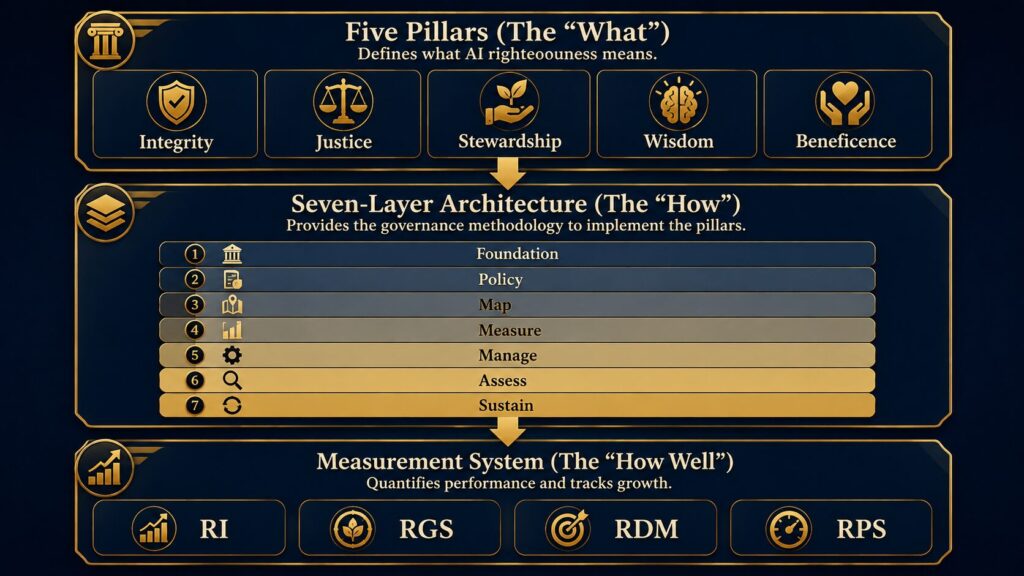
Figure 1 — RAGF Three Component Structure
This figure 1 illustrates the three-component structure of the Righteous AI Governance Framework (RAGF). The diagram flows from top to bottom through three interconnected levels: the Five Pillars (defining what AI righteousness means), the Seven-Layer Architecture (providing the methodology to implement the pillars), and the Measurement System (quantifying performance and tracking growth). Arrows connect each level to show the logical flow from values to implementation to measurement.
The table 6 shows how the Five Pillars (what righteousness means), the Seven-Layer Architecture (how to implement it), and the Measurement System (how to measure it) relate to each other.
Table 6 — Pillars, Layers, and Metrics: Relationship Mapping
| Aspect | Five Pillars | Seven-Layer Architecture | Measurement System |
|---|---|---|---|
| Purpose | Define righteousness | Implement righteousness | Measure righteousness |
| Question | “What is righteous AI?” | “How do we achieve it?” | “How are we doing?” |
| Nature | Values/Principles | Governance Methodology | Quantitative Metrics |
| Output | Five Pillars of Righteous AI | Seven-Layer Implementation Framework | RI, RGS, RDM, RPS Scores |
| Relationship | Defines the destination | Provides the path | Tracks progress |
How They Work Together
The three components form an integrated system that enables continuous improvement (NIST, 2023; Deming, 1986):
Five Pillars (Values)
    │
    │ Define what to achieve
    ▼
Seven-Layer Architecture (Methodology)
    │
    │ Provide how to achieve it
    ▼
Measurement System (Metrics)
    │
    │ Measure how well it is achieved
    ▼
Continuous Improvement
2.5 RAGF Architecture Overview
The RAGF Framework architecture consists of three integrated components: the RAGF Standard, the RAGF Methodology, and the RAGF Ecosystem. Together, they form a comprehensive governance system for righteous AI. This layered architecture is consistent with established governance frameworks that separate standards, methodology, and ecosystem (NIST, 2023; ISO/IEC, 2023).
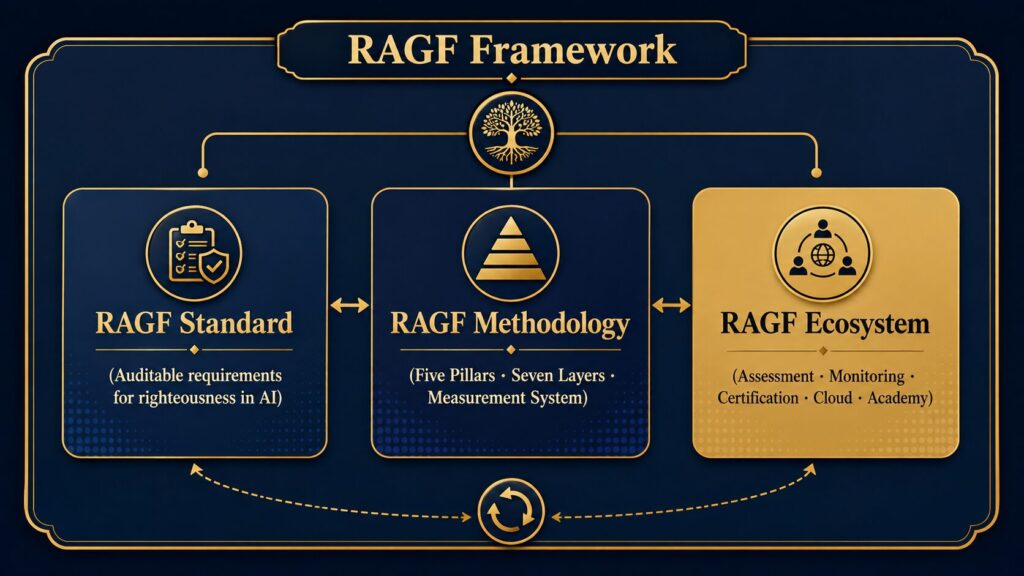
Figure 2 — RAGF Framework Architecture (Three-Layer Structure)
This figure 2 illustrates the three-layer structure of the Righteous AI Governance Framework (RAGF). The outermost container represents the RAGF Framework as the master architecture. Within it, three interconnected components are shown: the RAGF Standard (auditable requirements for AI righteousness), the RAGF Methodology (Five Pillars, Seven-Layer Architecture, and Measurement System), and the RAGF Ecosystem (Assessment, Monitoring, Certification, Cloud, and Academy). The diagram visually communicates that RAGF is a comprehensive framework that includes a standard, a methodology, and an ecosystem as integrated components.
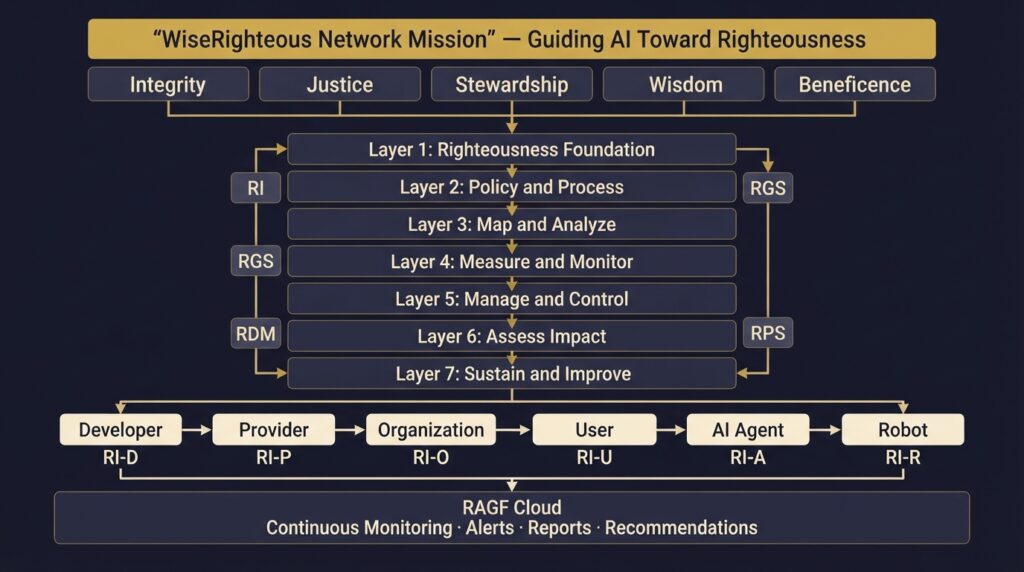
Figure 3 — RAGF Bird’s‑Eye View: Complete Framework Architecture
This figure 3 provides a comprehensive top-down view of the entire RAGF architecture. The infographic flows from top to bottom through six interconnected levels: the WiseRighteous Network Mission at the top, followed by the Five Pillars of AI Righteousness, the Seven-Layer Governance Architecture, the Measurement System (RI, RGS, RDM, RPS), the AI Lifecycle Roles (Developer → Provider → Organization → User →AI Agent → Robot), and finally the RAGF Cloud for continuous monitoring. Arrows connect each level to show the logical flow and integration. This visual serves as a master plan for understanding how all components of RAGF work together as a unified system.
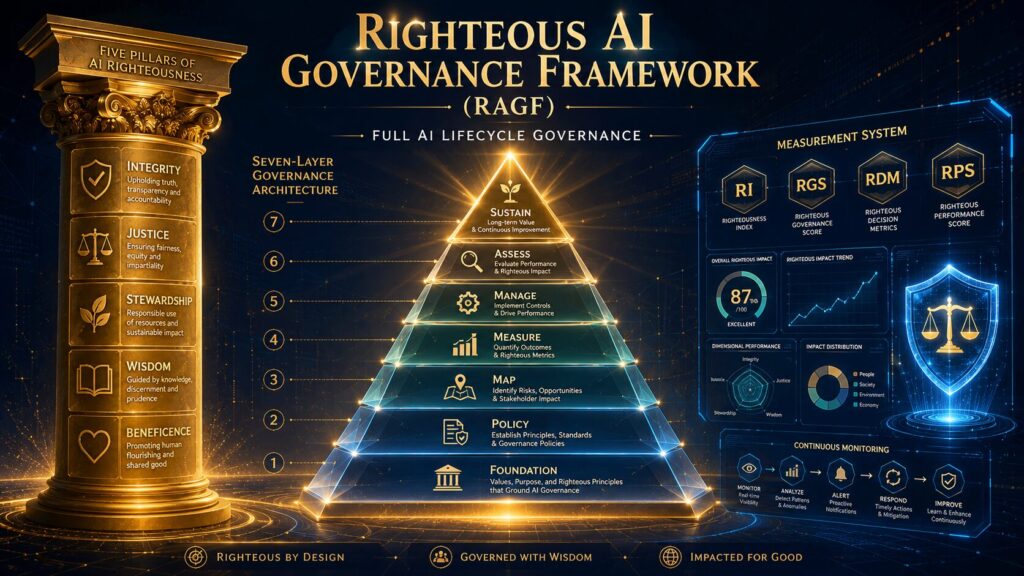
Figure 4 — RAGF Five Pillars Structure: Supporting the Governance Architecture
This figure 4 illustrates the foundational role of the Five Pillars of AI Righteousness (Integrity, Justice, Stewardship, Wisdom, Beneficence) as a golden column supporting the Seven-Layer Governance Architecture, with the Measurement System (RI, RGS, RDM, RPS) at the base providing quantitative tracking and continuous improvement.
2.6 Why Adopt RAGF: The Motivation for Righteous AI
The Righteous AI Governance Framework (RAGF) is not merely a compliance tool — it is a strategic, ethical, and operational imperative for organizations, AI developers, and society. This section articulates the motivations for adopting RAGF, addressing the fundamental question: “Why should we invest in righteousness when compliance alone may suffice?”
The answer is rooted in five interconnected dimensions: the cost of inaction, the strategic advantage of righteousness, the ethical imperative, the shift from compliance to conviction, and the necessity of personal and organizational reflection.
This table 7 outlines the five key dimensions that motivate organizations and individuals to adopt the Righteous AI Governance Framework — the cost of inaction, strategic advantage, ethical imperative, compliance to conviction, and reflection.
Table 7 — Dimensions of Motivation for Adopting RAGF
| Dimension | Core Question | Key Insight |
|---|---|---|
| The Cost of Inaction | What do we lose by not acting? | Trust, reputation, and regulatory standing erode over time |
| Strategic Advantage | What do we gain by acting? | Competitive differentiation and long-term value |
| The Ethical Imperative | What is the right thing to do? | Moral responsibility to ensure AI serves human flourishing |
| From Compliance to Conviction | How do we move beyond compliance? | Shift from “required” to “compelled” — internalizing righteousness |
| Reflection | Why does this matter to us personally? | Personal and organizational purpose alignment |
The Cost of Inaction
The failure to adopt righteous AI governance carries significant and escalating costs. Organizations that neglect righteousness in AI face risks that compound over time: loss of trust from users and the public, permanent reputational harm, escalating regulatory sanctions, competitive disadvantage, and the potential for systemic failure. Inaction is not neutral — it is a choice with consequences. The cumulative effect of these risks makes the adoption of righteous AI governance a defensive necessity as well as an offensive opportunity.
The Strategic Advantage of Righteous AI
Adopting RAGF is not only about avoiding harm — it is about creating value. Righteous AI provides organizations with a distinct strategic advantage across multiple dimensions. Organizations that govern AI with righteousness earn the trust of customers, employees, regulators, and the public, translating into higher adoption rates, stronger brand loyalty, and reduced public backlash. Righteous AI governance differentiates organizations as ethical leaders in their industry, signaling quality, integrity, and long-term thinking to partners and investors. Proactive righteousness prevents ethical failures before they occur, reducing the likelihood of costly failures and protecting the organization’s reputation and bottom line. Additionally, righteous AI attracts talent and investment — the best engineers, data scientists, and AI researchers increasingly choose organizations that demonstrate a commitment to ethical values. Finally, righteous AI ensures that AI systems remain aligned with human values over time, providing the framework for continuous monitoring and improvement.
The Ethical Imperative
Beyond strategic considerations, the adoption of RAGF is an ethical obligation. AI systems increasingly affect human lives, human dignity, and the common good. The organizations that create, deploy, and govern these systems bear a moral responsibility to ensure they serve human flourishing. The principles of human dignity, non-maleficence (doing no harm), beneficence (actively promoting well-being), justice, and truthfulness are not optional extras — they are foundational to the responsible development and deployment of AI. Organizations that ignore them do so at their own peril and at the expense of those they serve.
From Compliance to Conviction
One of the most significant motivational shifts offered by RAGF is the transition from compliance to conviction. Compliance asks: “What is the minimum we need to do?” Conviction asks: “What is the best we can become?” Compliance seeks to avoid punishment; conviction pursues excellence. RAGF enables organizations to move beyond compliance by providing a framework for internalizing righteousness — making it not just a requirement but a core value and identity. Compliance demands adherence; righteousness inspires transformation.
Reflection: The Starting Point
The journey toward righteous AI governance begins with a moment of honest reflection. Organizations and individuals must ask themselves: Why does righteousness matter to us? How does our current AI governance align with our stated values? What is at stake if we fail to act? What could we become if we fully embraced righteousness? What concrete step will we take today? Reflection is the bridge between awareness and action. It transforms knowledge into conviction and conviction into practice.
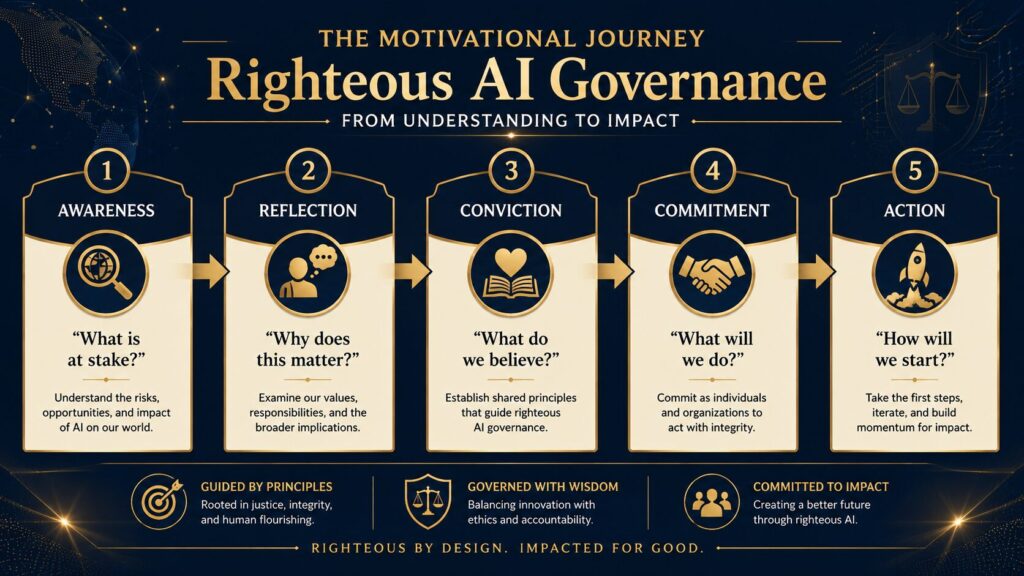
Figure 5 — The Motivation for Righteous AI: From Awareness to Action
This figure 5 illustrates the motivational journey from awareness of the need for righteous AI governance through reflection and commitment to concrete action.
References
Collins, J. C., & Porras, J. I. (1996). Built to last: Successful habits of visionary companies. Harper Business.
Deming, W. E. (1986). Out of the crisis. MIT Press.
Eccles, R. G., & Klimenko, S. (2019). The investor revolution. Harvard Business Review, 97(3), 106–116.
European Commission. (2020). White paper on artificial intelligence: A European approach to excellence and trust. Publications Office of the European Union.
Ewing, J. (2017). Faster, higher, farther: The Volkswagen scandal. W. W. Norton & Company.
Floridi, L., Cowls, J., Beltrametti, M., Chatila, R., Chazerand, P., Dignum, V., … & Vayena, E. (2018). AI4People—An ethical framework for a good AI society: Opportunities, risks, principles, and recommendations. Minds and Machines, 28(4), 689–707.
Gillespie, N. (2021). Trust in organizations: An interdisciplinary review. Oxford University Press.
Hickman, L. (2023). Ethical AI and competitive advantage. MIT Sloan Management Review.
ISO/IEC. (2023). ISO/IEC 42001:2023 — Information technology — Artificial intelligence — Management system. International Organization for Standardization.
Kotter, J. P. (2012). Leading change. Harvard Business Review Press.
National Institute of Standards and Technology. (2023). Artificial Intelligence Risk Management Framework (AI RMF 1.0). U.S. Department of Commerce.
Russell, S. (2019). Human compatible: Artificial intelligence and the problem of control. Viking.
Smuha, N. A. (2021). From a ‘race to the bottom’ to a ‘race to the top’? The regulation of AI and the EU AI Act. European Journal of Legal Studies, *13*(2), 45–72.